Key takeaways
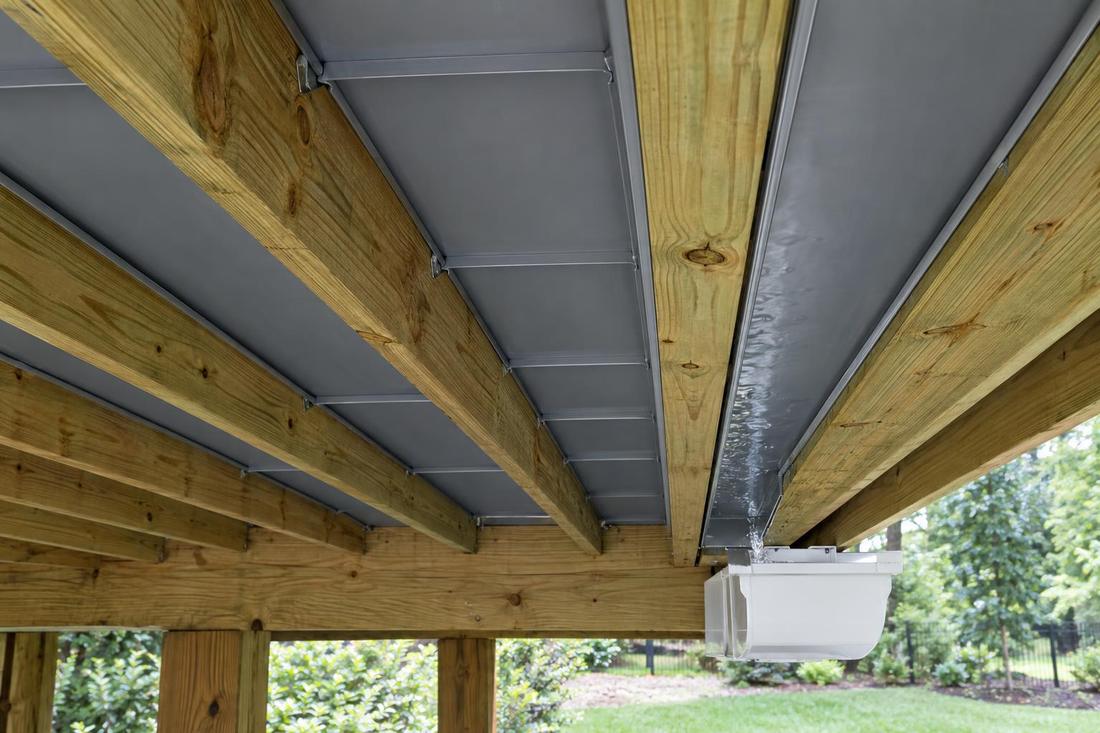
- A smooth ceiling leaves wasps and bees fewer places to build.
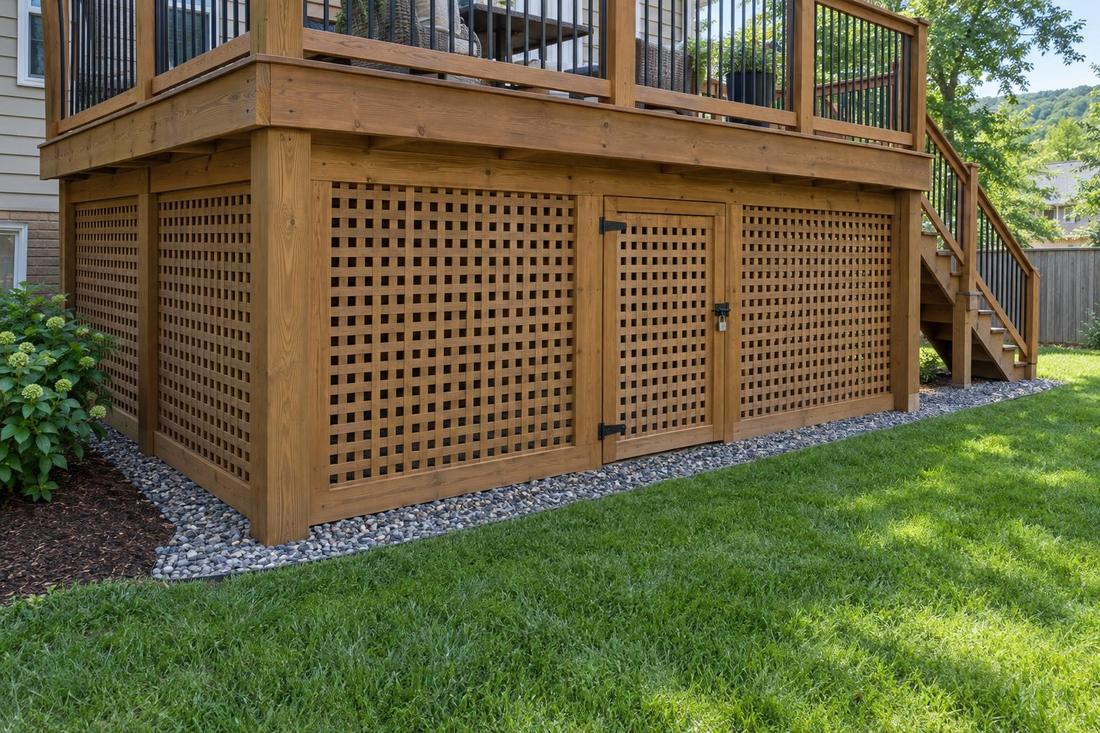
- Close the sides with sturdy framing and a buried barrier if animals are a concern.
- Dry air and airflow prevent mildew and odors.
- Check the space after storms and each season.
Insects
Wasps and carpenter bees look for corners and exposed wood. A finished ceiling removes most of their options. If nests are present, have a licensed pest professional remove them before work begins.
Keep the space lit and clean, since insects prefer dark corners.
Animals
Raccoons, skunks and groundhogs like to den under decks. Sturdy skirting, a buried wire barrier and a lockable door help. If animals are inside, humane removal comes first and then exclusion keeps them out.
Check pesticides and wildlife rules with a qualified professional.
Moisture and odors
Damp soil and trapped air cause musty smells. A dry ceiling, good drainage and airflow solve most of it. Clean any mildew and fix the water source.
A small fan or dehumidifier can help in enclosed rooms.
A simple routine
Walk the space each spring and fall. Look for nests, droppings, stains and gaps. Clear gutters, sweep the floor and check the seals.
A few minutes twice a year prevents most surprises.
Official sources and further reading
These are independent organizations. Links open in a new tab.
Quick answers
Can I treat wasps myself?
Small nests can be treated by careful owners, but large or high nests should go to a professional.
Is mildew dangerous?
It can bother some people. Clean it and fix the moisture.