Key takeaways
- The ledger holds the deck to the house and carries a large share of the weight.
- Water behind the ledger rots both the ledger and the house rim.
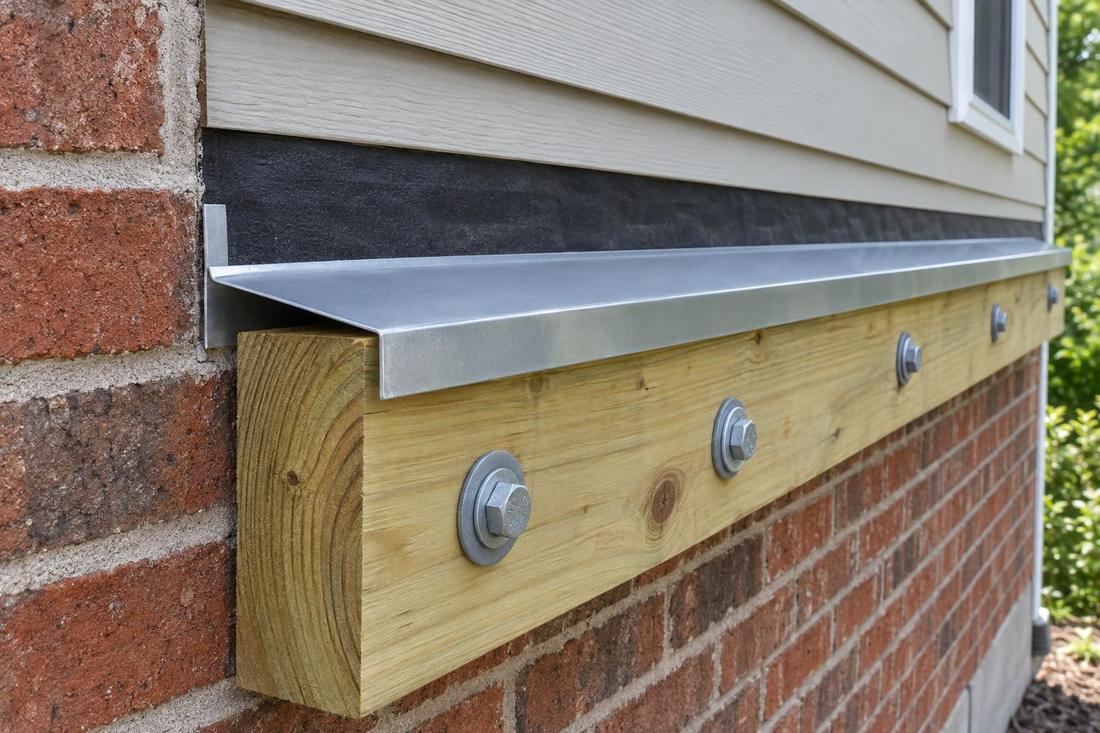
- Flashing directs water over the ledger and away.
- Inspect the ledger before underdecking any deck.
What a ledger does
The ledger board is bolted or screwed to the house and supports one side of the deck. If it fails, the deck can pull away. That is why its condition matters for safety.
It is also the most common place for water to enter.
How water gets in
Rain runs down the siding and can slip behind the ledger. Without flashing, it soaks the wood and the house framing and can cause hidden rot. Fasteners rust, and the connection weakens over time.
Stains and soft wood are warning signs.
How flashing helps
Flashing, usually metal and membrane layered together, directs water over the ledger and out. Correct overlap is critical, since flashing installed backward traps water.
It should tie into the house wrap and siding.
What to do about it
Have the ledger inspected, especially on older decks. If you see rot, loose fasteners or movement, repair it before adding underdecking. Rules vary, so check local codes for connection requirements.
This one detail protects the whole project.
Official sources and further reading
- Metro Nashville Codes
- National Association of Home Builders
- Tennessee Department of Commerce & Insurance: Contractors
These are independent organizations. Links open in a new tab.
Quick answers
Can I check the ledger myself?
You can look for stains and probe with a screwdriver, but a professional inspection is better.
Is flashing required?
It is standard good practice, and local codes may require it.